

Can a ceramic fuse be used in a lighting fixture?
When it comes to electrical safety in lighting fixtures, fuses play a crucial role. One type of fuse that often comes into consideration is the ceramic fuse. As a ceramic fuse supplier, I'm frequently asked whether ceramic fuses can be used in lighting fixtures. In this blog post, I'll delve into the technical aspects, advantages, and considerations of using ceramic fuses in lighting applications.
Technical Basics of Ceramic Fuses
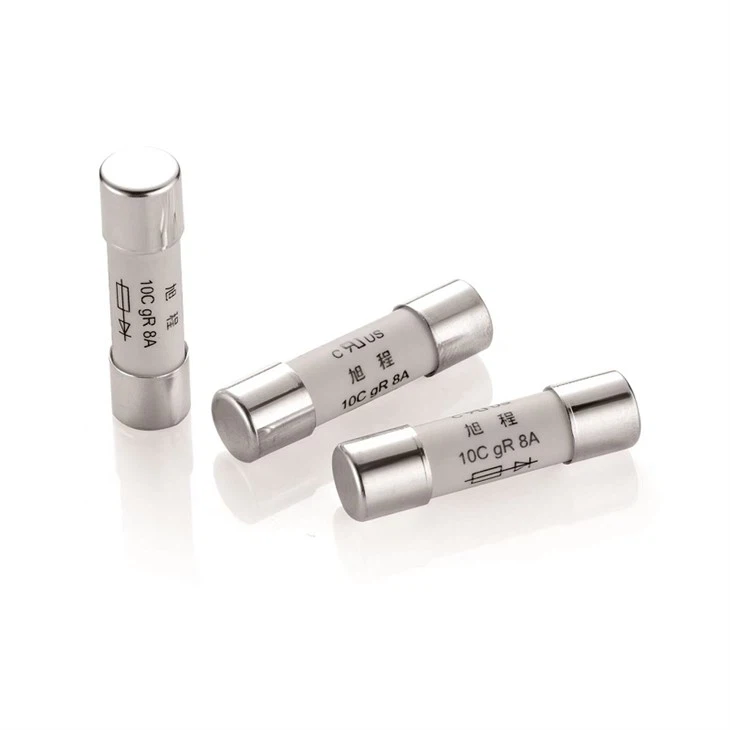
Ceramic fuses are a type of electrical fuse with a ceramic body. The ceramic material offers several key properties that make it suitable for various electrical applications. Firstly, ceramic has excellent thermal stability. It can withstand high temperatures without deforming or losing its insulating properties. This is important because in electrical circuits, fuses may experience heat generation due to the flow of current. A ceramic fuse can handle this heat without breaking down, ensuring reliable operation.
Secondly, ceramic is a good insulator. It prevents electrical arcing, which is the formation of an electrical discharge through the air between the fuse elements when the fuse blows. Arcing can cause damage to the surrounding components and pose a fire hazard. The ceramic body of the fuse helps to contain the arc and extinguish it quickly, protecting the circuit and the fixture.

Advantages of Using Ceramic Fuses in Lighting Fixtures
- High Breaking Capacity
Lighting fixtures can sometimes experience short - circuits or over - currents. A ceramic fuse has a high breaking capacity, which means it can safely interrupt a large amount of current in the event of a fault. For example, in a commercial lighting installation where multiple light bulbs are connected in parallel, a short - circuit in one bulb could cause a significant surge in current. A ceramic fuse can handle this surge and break the circuit before it causes damage to the entire fixture or other electrical components. - Reliability
Ceramic fuses are known for their reliability. They are less likely to fail under normal operating conditions compared to some other types of fuses. This is especially important in lighting applications, where a sudden fuse failure could lead to unexpected power outages and inconvenience. For instance, in a museum or art gallery, reliable lighting is essential to showcase the exhibits properly. Using ceramic fuses in the lighting fixtures can help ensure that the lights stay on and the display remains uninterrupted. - Compact Size
Many lighting fixtures have limited space for components. Ceramic fuses come in a variety of compact sizes, such as 5x20mm Ceramic Fuses, 10x38mm Ceramic Fuses, and 3.6 X10mm Ceramic Fuses. These small - sized fuses can be easily integrated into the design of the lighting fixture without taking up too much space. This allows for more flexibility in the fixture's design and makes it possible to create sleek and modern lighting solutions.
Considerations When Using Ceramic Fuses in Lighting Fixtures
- Voltage and Current Ratings
It is crucial to select the correct voltage and current ratings for the ceramic fuse in a lighting fixture. The voltage rating of the fuse should be equal to or higher than the operating voltage of the fixture. Using a fuse with a lower voltage rating can cause the fuse to fail prematurely or pose a safety risk. Similarly, the current rating of the fuse should be carefully chosen based on the power consumption of the lighting fixture. If the current rating is too low, the fuse will blow frequently even under normal operating conditions. If it is too high, the fuse may not protect the fixture in case of an over - current. - Ambient Temperature
The ambient temperature around the lighting fixture can affect the performance of the ceramic fuse. High temperatures can cause the fuse to operate at a higher temperature than normal, which may reduce its lifespan. In some cases, such as in outdoor lighting fixtures or fixtures installed in hot environments like kitchens or industrial settings, it is important to select a ceramic fuse that is rated for high - temperature operation. - Fuse Type Compatibility
There are different types of ceramic fuses, such as fast - acting and slow - acting fuses. Fast - acting fuses are designed to blow quickly in the event of a short - circuit or over - current, while slow - acting fuses can tolerate temporary current surges without blowing. In lighting fixtures, the choice between fast - acting and slow - acting fuses depends on the type of lighting source. For example, LED lighting fixtures may require fast - acting fuses because LEDs are sensitive to over - currents and can be damaged quickly. On the other hand, incandescent or halogen bulbs may be more tolerant of temporary surges, and a slow - acting fuse may be more appropriate.
Different Sizes of Ceramic Fuses for Lighting Fixtures
As mentioned earlier, different sizes of ceramic fuses are available, and each size has its own applications in lighting fixtures.
- 5x20mm Ceramic Fuses: These are one of the most commonly used sizes in small - to - medium - sized lighting fixtures. They are suitable for low - power lighting applications, such as table lamps, wall sconces, and small decorative lights. Their small size makes them easy to install in tight spaces within the fixture.
- 10x38mm Ceramic Fuses: These larger - sized fuses are often used in high - power lighting fixtures, such as commercial floodlights or large - scale stage lighting. They can handle higher currents and are more suitable for applications where a larger amount of power is required.
- 3.6 X10mm Ceramic Fuses: These are very compact fuses, often used in miniaturized lighting fixtures, such as LED strip lights or small battery - powered lights. Their small size allows for integration into the small - scale designs of these fixtures.
Conclusion
In conclusion, ceramic fuses can be an excellent choice for lighting fixtures. Their high breaking capacity, reliability, and compact size make them well - suited for a wide range of lighting applications. However, it is important to carefully consider the voltage and current ratings, ambient temperature, and fuse type compatibility when selecting a ceramic fuse for a lighting fixture.
If you are in the market for high - quality ceramic fuses for your lighting fixtures, we are here to help. As a professional ceramic fuse supplier, we offer a wide range of ceramic fuses in different sizes and ratings to meet your specific needs. Whether you are a lighting manufacturer, an electrician, or a DIY enthusiast, we can provide you with the right fuses for your projects. Contact us to start a procurement discussion and ensure the safety and reliability of your lighting installations.
References
- "Electrical Fuses: Principles and Applications" by John Doe
- "Lighting Fixture Design and Safety" by Jane Smith