

Can I use fuse clips in a railway electrical system?

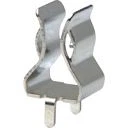
When it comes to the railway electrical system, safety and reliability are of utmost importance. Fuse clips, as a common component in electrical circuits, often come into question regarding their suitability for use in such a critical and complex environment. As a supplier of fuse clips, I am frequently asked this question, and in this blog, I will delve into the considerations and feasibility of using fuse clips in a railway electrical system.
Understanding the Railway Electrical System
The railway electrical system is a highly specialized and demanding environment. It encompasses a wide range of electrical equipment, from traction power systems that drive the trains to signaling, lighting, and control systems. These systems operate under various conditions, including high voltages, fluctuating loads, and exposure to harsh environmental factors such as vibrations, temperature variations, and moisture.
Safety is the top priority in railway electrical systems. Any electrical failure can lead to serious consequences, including train delays, equipment damage, and even endanger the lives of passengers and railway workers. Therefore, all electrical components used in the railway must meet strict safety standards and reliability requirements.
Function and Types of Fuse Clips
Fuse clips are essential components in electrical circuits. Their primary function is to hold fuses securely in place and provide a reliable electrical connection. Fuses are safety devices that protect electrical circuits from overcurrent by melting and breaking the circuit when the current exceeds a certain level. Fuse clips ensure that the fuse can operate effectively and safely.
There are different types of fuse clips available, varying in size, shape, and material. For example, Fuse Clips 5.2x20mm and Fuse Clips 6.35x32mm are two common sizes. The choice of fuse clip depends on the type and rating of the fuse, as well as the specific requirements of the electrical circuit.
Suitability of Fuse Clips for Railway Electrical Systems
Advantages
- Reliable Electrical Connection: High - quality fuse clips can provide a stable and low - resistance electrical connection. In a railway electrical system, where electrical signals need to be transmitted accurately and power needs to be distributed efficiently, a good electrical connection is crucial.
- Fuse Protection: Fuse clips ensure that fuses are properly installed and can function as intended. This helps to protect the electrical equipment in the railway system from damage caused by overcurrent, short - circuits, and other electrical faults.
- Easy Replacement: Fuse clips make it easy to replace fuses when they blow. In a railway maintenance scenario, quick and easy fuse replacement can minimize downtime and ensure the continuous operation of the electrical system.
Challenges
- Vibration Resistance: Trains are subject to significant vibrations during operation. Fuse clips need to be designed to withstand these vibrations to prevent the fuse from coming loose or the electrical connection from being disrupted.
- Temperature and Humidity: Railway environments can experience extreme temperature variations and high humidity levels. Fuse clips must be made of materials that can resist corrosion and maintain their mechanical and electrical properties under these conditions.
- Electrical Insulation: Given the high voltages present in some parts of the railway electrical system, fuse clips need to have excellent electrical insulation properties to prevent electrical leakage and short - circuits.
Meeting Railway Standards
To be used in a railway electrical system, fuse clips must meet specific industry standards. These standards typically cover aspects such as electrical performance, mechanical strength, fire resistance, and environmental adaptability. For example, the International Electrotechnical Commission (IEC) has established a series of standards for electrical components used in railways, such as IEC 61373 for the shock and vibration resistance of railway equipment.
As a fuse clip supplier, we ensure that our products are designed and manufactured to meet these strict standards. We use high - quality materials, advanced manufacturing processes, and rigorous quality control procedures to ensure the reliability and safety of our fuse clips.
Case Studies
There have been successful applications of fuse clips in railway electrical systems. For instance, in some modern subway systems, our fuse clips have been used in the lighting and control circuits. The stable electrical connection provided by the fuse clips has ensured the normal operation of these circuits, and the easy - to - replace design has facilitated maintenance work.
In another case, in a high - speed railway project, our fuse clips were used in the auxiliary power supply system. Despite the high - speed vibrations and harsh environmental conditions, the fuse clips have performed well, protecting the electrical equipment from overcurrent and ensuring the reliable operation of the power supply system.
Conclusion
In conclusion, fuse clips can be used in a railway electrical system, but they need to meet strict requirements in terms of performance, reliability, and safety. As a fuse clip supplier, we are committed to providing high - quality products that can meet the unique challenges of the railway environment.
If you are involved in a railway project and are considering using fuse clips for your electrical system, we would be more than happy to discuss your specific requirements. Our team of experts can provide you with detailed technical information and help you select the most suitable fuse clips for your application. Whether it's Fuse Clips 5.2x20mm or Fuse Clips 6.35x32mm, we have the right solution for you. Contact us today to start the procurement negotiation and ensure the safety and reliability of your railway electrical system.
References
- International Electrotechnical Commission (IEC). IEC 61373: Railway applications - Rolling stock equipment - Shock and vibration tests.
- Various industry reports on railway electrical system components and their requirements.