

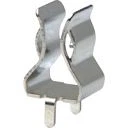
As a supplier of fuse clips, I understand the importance of proper storage to maintain the quality and functionality of these essential electrical components. Fuse clips are used to hold fuses in place, and their proper storage can prevent damage, corrosion, and other issues that could affect their performance. In this blog post, I will share some tips on how to store fuse clips properly.
Understanding the Importance of Proper Storage
Fuse clips are typically made of metal, such as copper or brass, which can be susceptible to corrosion and oxidation over time. Exposure to moisture, humidity, and other environmental factors can accelerate this process, leading to rust, discoloration, and reduced conductivity. Additionally, improper handling and storage can cause physical damage to the fuse clips, such as bending or deformation, which can affect their ability to hold fuses securely.
Proper storage not only helps to preserve the quality of the fuse clips but also ensures their reliability and safety. By storing fuse clips in a controlled environment, you can minimize the risk of damage and ensure that they are ready for use when needed.
Choosing the Right Storage Container
The first step in proper storage is to choose the right container. The container should be made of a material that is resistant to moisture, corrosion, and physical damage. Plastic containers with tight-fitting lids are a popular choice, as they provide a sealed environment that can protect the fuse clips from dust, dirt, and moisture.
When selecting a container, consider the size and quantity of the fuse clips you need to store. Make sure the container is large enough to accommodate all the fuse clips without overcrowding them. Overcrowding can cause the fuse clips to rub against each other, leading to scratches and damage.
Cleaning and Preparing the Fuse Clips
Before storing the fuse clips, it is important to clean them thoroughly to remove any dirt, debris, or contaminants. You can use a mild detergent and a soft cloth to clean the fuse clips, taking care not to scratch or damage them. After cleaning, dry the fuse clips completely to prevent moisture from causing corrosion.
If the fuse clips have any oxidation or rust, you can use a metal cleaner or polish to remove it. However, be careful not to use abrasive cleaners or tools, as they can scratch the surface of the fuse clips and damage their conductivity.

Organizing the Fuse Clips
Once the fuse clips are clean and dry, it is time to organize them in the storage container. You can use dividers or compartments to separate the different types and sizes of fuse clips. This will make it easier to find the fuse clips you need when you need them.
Labeling the dividers or compartments with the type and size of the fuse clips can also be helpful. This will ensure that you can quickly identify the fuse clips you need without having to search through the entire container.
Storing the Fuse Clips in a Controlled Environment
The storage environment is crucial for the proper preservation of the fuse clips. The ideal storage temperature for fuse clips is between 20°C and 25°C (68°F and 77°F), with a relative humidity of 40% to 60%. Avoid storing the fuse clips in areas that are exposed to direct sunlight, extreme temperatures, or high humidity, as these conditions can cause damage to the fuse clips.
If possible, store the fuse clips in a climate-controlled storage area, such as a closet or cabinet. You can also use a dehumidifier to reduce the humidity in the storage area and prevent moisture from causing corrosion.
Protecting the Fuse Clips from Physical Damage
In addition to protecting the fuse clips from environmental factors, it is also important to protect them from physical damage. When handling the fuse clips, be careful not to bend or deform them. Use a pair of pliers or a fuse holder tool to insert and remove the fuses from the clips, taking care not to apply too much pressure.
When storing the fuse clips, make sure they are not stacked on top of each other or subjected to any other form of physical stress. This can cause the fuse clips to bend or deform, which can affect their ability to hold fuses securely.
Regularly Inspecting the Fuse Clips
Even with proper storage, it is important to regularly inspect the fuse clips for any signs of damage or corrosion. Check the fuse clips for any rust, discoloration, or other signs of wear and tear. If you notice any issues, replace the fuse clips immediately to ensure their reliability and safety.
Conclusion
Proper storage of fuse clips is essential for maintaining their quality and functionality. By choosing the right storage container, cleaning and preparing the fuse clips, organizing them in a controlled environment, and protecting them from physical damage, you can ensure that the fuse clips are ready for use when needed.
As a supplier of fuse clips, I am committed to providing high-quality products and excellent customer service. If you have any questions or need more information about fuse clips or their storage, please feel free to contact me. I would be happy to help you with your fuse clip needs.
If you are interested in purchasing fuse clips, we offer a wide range of options, including Fuse Clips 6.35x32mm and Fuse Clips 5.2x20mm. Our fuse clips are made of high-quality materials and are designed to provide reliable performance. Contact us today to discuss your specific requirements and to start a procurement negotiation.
References
- Electrical Safety Foundation International. (n.d.). Electrical Safety Tips. Retrieved from [Website URL]
- National Fire Protection Association. (n.d.). Electrical Code Requirements. Retrieved from [Website URL]
- Manufacturer's Instructions for Fuse Clips. (n.d.). Retrieved from [Website URL]