

Troubleshooting problems with fuse clips is an essential skill, especially for those working in electrical systems or as suppliers like myself. Fuse clips play a crucial role in ensuring the safety and proper functioning of electrical circuits by holding fuses securely in place. In this blog, I'll share my insights and experiences as a fuse clips supplier on how to effectively troubleshoot common issues with these components.
Understanding the Basics of Fuse Clips
Before we dive into troubleshooting, it's important to have a basic understanding of what fuse clips are and how they work. Fuse clips are designed to hold fuses in electrical circuits. They provide a secure connection between the fuse and the circuit, allowing the fuse to interrupt the flow of electricity when an overcurrent situation occurs. There are different types and sizes of fuse clips available in the market, such as Fuse Clips 5.2x20mm and Fuse Clips 6.35x32mm, each designed to fit specific fuses and applications.
Common Problems with Fuse Clips and Their Solutions
1. Loose Connection
One of the most common problems with fuse clips is a loose connection. A loose fuse clip can cause intermittent power failure or overheating, which can lead to damage to the fuse or other components in the circuit. To troubleshoot a loose connection, start by visually inspecting the fuse clip. Check if the clip is properly installed and if the fuse is seated correctly. If the clip appears loose, try tightening the mounting screws or adjusting the clip's tension.
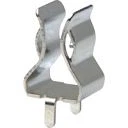

In some cases, the clip may have become deformed over time. If this is the case, you may need to replace the fuse clip. When selecting a replacement, make sure to choose a clip that is compatible with the fuse and the circuit in which it will be used.
2. Corrosion
Corrosion is another common issue that can affect the performance of fuse clips. Corrosion can occur due to exposure to moisture, chemicals, or other environmental factors. It can cause a high resistance in the connection between the fuse clip and the fuse, leading to overheating and potential failure of the circuit.
To troubleshoot corrosion, first, disconnect the power source to ensure safety. Then, carefully remove the fuse and inspect the clip for signs of corrosion. If you notice any corrosion, you can try cleaning the clip using a mild abrasive, such as fine-grit sandpaper or a wire brush. After cleaning, use a contact cleaner to remove any remaining contaminants. Make sure to dry the clip thoroughly before reinstalling the fuse.
If the corrosion is severe and the clip cannot be cleaned effectively, it may be necessary to replace the fuse clip. When installing the new clip, take steps to prevent future corrosion, such as using a protective coating or ensuring that the circuit is properly sealed to prevent moisture ingress.
3. Overheating
Overheating of fuse clips can be a serious problem that indicates a potential issue with the circuit or the clip itself. Overheating can be caused by a variety of factors, including a loose connection, excessive current flow, or a faulty fuse.
To troubleshoot overheating, start by checking the fuse to see if it has blown. If the fuse is blown, replace it with a new one of the same rating. Make sure to follow the manufacturer's guidelines when selecting a replacement fuse.
Next, check the connection between the fuse clip and the fuse. A loose connection can cause resistance, which in turn can lead to overheating. Tighten the connection if necessary.
If the overheating persists after replacing the fuse and checking the connection, it may be a sign of a more serious problem with the circuit. In this case, it is recommended to consult a qualified electrician to diagnose and repair the issue.
4. Incompatible Fuse
Using an incompatible fuse with a fuse clip can also cause problems. An incompatible fuse may not fit properly in the clip, leading to a loose connection or overheating. It can also cause the fuse to blow prematurely or fail to protect the circuit in the event of an overcurrent situation.
To troubleshoot an incompatible fuse, first, check the specifications of the fuse clip and the fuse. Make sure that the fuse is the correct size and rating for the clip and the circuit. If you are unsure, refer to the manufacturer's documentation or consult with an expert.
If you find that the fuse is incompatible, replace it with a compatible one. When installing the new fuse, make sure that it is seated correctly in the clip and that the connection is secure.
Preventive Maintenance
In addition to troubleshooting problems with fuse clips, it's also important to perform preventive maintenance to ensure their long - term reliability. Here are some tips for preventive maintenance:
- Regular Inspections: Conduct regular visual inspections of the fuse clips to check for signs of wear, corrosion, or damage. Look for any loose connections, deformed clips, or discoloration.
- Cleaning: Keep the fuse clips clean by removing any dust, dirt, or debris. Use a soft brush or compressed air to clean the clips, and avoid using abrasive materials that could damage the surface.
- Environmental Considerations: Protect the fuse clips from exposure to harsh environmental conditions, such as moisture, chemicals, and extreme temperatures. Use appropriate enclosures or seals to prevent damage.
- Proper Installation: Always ensure that the fuse clips are installed correctly. Follow the manufacturer's instructions for installation, including tightening the mounting screws to the recommended torque.
Contact Us for Your Fuse Clip Needs
As a professional fuse clips supplier, I understand the importance of reliable and high - quality fuse clips in electrical systems. If you are experiencing any problems with your fuse clips or are in the market for new ones, I'd be more than happy to assist you. Whether you need Fuse Clips 5.2x20mm or Fuse Clips 6.35x32mm, I can provide you with the right solutions. Contact me to discuss your requirements and start a procurement negotiation.
References
- Electrical Engineering Handbook, Third Edition by Richard C. Dorf
- Understanding Electrical Systems by Charles K. Alexander and Matthew N. O. Sadiku
- Fuse Clip Manufacturer's Technical Documentation