

In the electrical industry, fuse holders play a crucial role in protecting circuits from overcurrent situations. One of the key factors that significantly affects the performance and lifespan of a fuse holder is the housing material. As a reputable fuse holders supplier, I have witnessed firsthand how different housing materials can impact the durability of these essential components. In this blog post, I will delve into the various housing materials used in fuse holders and explore how they influence durability.
Common Housing Materials for Fuse Holders
Plastic
Plastic is one of the most widely used materials for fuse holder housings. It offers several advantages, such as low cost, ease of manufacturing, and light weight. There are different types of plastics used, including polycarbonate, nylon, and polypropylene.
Polycarbonate is known for its high impact resistance and transparency. It can withstand mechanical shocks and is often used in applications where visibility of the fuse is required. Nylon, on the other hand, has good chemical resistance and is suitable for environments where exposure to chemicals is a concern. Polypropylene is a cost - effective option with good electrical insulation properties and moderate mechanical strength.
However, plastic has its limitations. It can be susceptible to heat and UV radiation. Prolonged exposure to high temperatures can cause the plastic to deform, which may affect the proper functioning of the fuse holder. UV radiation can also cause the plastic to become brittle over time, reducing its durability.
Ceramic
Ceramic is another popular material for fuse holder housings. It has excellent electrical insulation properties and can withstand high temperatures. Ceramics are often used in high - power applications where heat dissipation is a critical factor.
The high melting point of ceramic makes it resistant to thermal damage. It also has good chemical stability, which means it can resist corrosion and chemical attacks. However, ceramic is a brittle material. It can crack or break if subjected to mechanical shocks or sudden temperature changes. This brittleness can limit its durability in some applications, especially those where the fuse holder may be subject to vibration or physical impact.
Metal
Metal fuse holder housings, such as those made of aluminum or steel, offer high mechanical strength and durability. They can withstand harsh environments, including high - pressure and high - temperature conditions. Metal housings also provide good electromagnetic shielding, which can be beneficial in applications where electromagnetic interference is a concern.
However, metal is a conductor of electricity. Special insulation measures need to be taken to ensure that the metal housing does not cause short - circuits. Additionally, metal is prone to corrosion, especially in humid or corrosive environments. This can reduce the lifespan of the fuse holder if proper protective coatings are not applied.
Impact of Housing Material on Durability
Mechanical Durability
The mechanical durability of a fuse holder depends on its ability to withstand physical stress. Plastic fuse holders, while lightweight, may not be as mechanically robust as metal or ceramic ones. For example, in industrial settings where there is a lot of vibration or where the fuse holder may be accidentally bumped, a plastic housing may crack or break more easily.

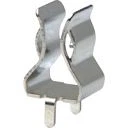
Metal fuse holders, with their high strength, are better able to withstand mechanical shocks. They can be used in heavy - duty applications such as in automotive or industrial machinery. Ceramic fuse holders, although brittle, can still provide good mechanical durability in applications where the risk of mechanical shock is low and the focus is on high - temperature resistance.
Thermal Durability
Thermal durability is crucial for fuse holders, as they are often exposed to heat generated by the current flowing through the fuse. Plastic fuse holders have a relatively low melting point compared to ceramic and metal. In high - current applications, the heat generated can cause the plastic to soften or melt, leading to a failure of the fuse holder.
Ceramic fuse holders excel in thermal durability. They can withstand extremely high temperatures without deforming or losing their electrical insulation properties. Metal fuse holders also have good thermal conductivity, which allows them to dissipate heat effectively. However, they need to be properly insulated to prevent overheating and short - circuits.
Chemical Durability
The chemical durability of a fuse holder housing is important, especially in environments where the fuse holder may be exposed to chemicals. Plastic fuse holders made of materials like nylon have good chemical resistance. They can resist the effects of many common chemicals, such as oils, solvents, and weak acids.
Ceramic is highly resistant to chemical attacks. It can be used in harsh chemical environments without being affected. Metal fuse holders, on the other hand, need to be protected from corrosion. Coatings or platings can be applied to the metal surface to prevent rust and corrosion, but if these protective layers are damaged, the metal can corrode, reducing the durability of the fuse holder.
Examples of Fuse Holders and Their Housing Materials
We offer a wide range of fuse holders with different housing materials to meet the diverse needs of our customers. For example, our Fuse Clips 5.2x20mm are available with plastic housings. These are suitable for low - to medium - current applications where cost - effectiveness and ease of installation are important. The plastic housing provides good electrical insulation and is lightweight, making it easy to handle.
Our 5x20 Fuse Holder XC - 1 is another popular product. It comes with a ceramic housing, which is ideal for high - power applications. The ceramic housing can withstand high temperatures and provides excellent electrical insulation, ensuring the safe and reliable operation of the fuse holder.
We also offer Fuse Clips 6.35x32mm with metal housings. These are suitable for heavy - duty applications where mechanical strength and electromagnetic shielding are required. The metal housing provides good protection for the fuse and can withstand harsh environments.
Conclusion
The housing material of a fuse holder has a significant impact on its durability. Different materials offer different advantages and disadvantages in terms of mechanical, thermal, and chemical durability. As a fuse holders supplier, we understand the importance of choosing the right housing material for each application. By carefully considering the requirements of the application, such as the current rating, operating temperature, and environmental conditions, we can provide our customers with the most suitable fuse holders.
If you are in the market for high - quality fuse holders, we invite you to contact us for a detailed discussion about your specific needs. Our team of experts is ready to assist you in selecting the right fuse holders with the appropriate housing materials to ensure long - term durability and reliable performance.
References
- Electrical Engineering Handbook, Third Edition, edited by Richard C. Dorf
- Handbook of Electronic Components, Fourth Edition, by Ralph Kemp