

Hey there! If you're scratching your head over a fuse clip that just won't stop blowing fuses, you've come to the right place. As a fuse clips supplier, I've seen it all and I'm here to share some tips on how to troubleshoot this pesky problem.
1. Check the Fuse Rating
First things first, make sure you're using the right fuse rating. A fuse is like a safety guard for your electrical circuit. If it's rated too low, it'll blow even with normal current flow. On the other hand, if it's rated too high, it won't protect your circuit properly and could lead to bigger problems, like overheating or even a fire.
Look at the device's manual to find out the correct fuse rating. It's usually printed right on the fuse holder or in the user guide. If you're using a Fuse Clips 6.35x32mm or Fuse Clips 5.2x20mm, double - check that the fuse you've inserted matches the recommended rating.
2. Inspect the Fuse Clip for Damage
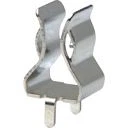
The fuse clip itself could be the culprit. Over time, it can get worn out, corroded, or damaged. Take a close look at the clip. Are there any signs of melting, burning, or physical damage? If the clip is bent or broken, it might not be making a good connection with the fuse.
A poor connection can cause resistance, which in turn generates heat. This heat can cause the fuse to blow prematurely. If you notice any damage, it's best to replace the fuse clip. As a supplier, I can tell you that getting a new, high - quality fuse clip can often solve the problem.
3. Examine the Electrical Circuit
The issue might not be with the fuse or the clip at all. There could be a problem in the electrical circuit itself. Check for any loose wires, short circuits, or overloaded circuits.
A short circuit occurs when a hot wire touches a neutral wire or a ground wire. This causes a sudden surge of current, which will blow the fuse. Look for frayed wires, exposed conductors, or any signs of arcing. If you find a short circuit, you'll need to fix it before replacing the fuse.
An overloaded circuit happens when too many devices are connected to the same circuit, drawing more current than the circuit can handle. Try unplugging some of the devices and see if the fuse stops blowing.

4. Test the Fuse
Sometimes, a fuse can be faulty even if it looks okay. You can use a multimeter to test the fuse. Set the multimeter to the resistance or continuity setting. Touch the probes to the two ends of the fuse. If the multimeter shows a reading of zero or close to zero, the fuse is good. If it shows infinite resistance, the fuse is blown.
If you find that the fuse is blown, replace it with a new one of the correct rating. But remember, if the new fuse blows right away, there's still a problem that needs to be addressed.
5. Consider Environmental Factors
The environment where the fuse clip is located can also affect its performance. High temperatures can cause the fuse to blow more easily. If the fuse clip is in a hot area, like near a heater or in direct sunlight, try moving it to a cooler location.
Humidity can also be an issue. Moisture can cause corrosion on the fuse clip and the fuse, leading to poor connections and premature fuse failure. If the area is humid, you might want to use a dehumidifier or enclose the fuse clip in a moisture - resistant box.
6. Check for Component Failures
There could be a problem with one of the components in the electrical system. For example, a malfunctioning motor, a faulty capacitor, or a bad switch can cause an abnormal current flow. If you suspect a component failure, you'll need to test or replace the component.
This can be a bit more complicated, and if you're not experienced with electrical work, it might be a good idea to call in a professional electrician.
7. Look for Manufacturing Defects
In rare cases, there could be a manufacturing defect in the fuse clip or the fuse. If you've tried all the above steps and the problem persists, it's possible that you got a faulty product. As a supplier, I can assure you that we take quality control very seriously, but sometimes things slip through the cracks.
If you think you have a defective product, contact the manufacturer or the supplier. We'll usually be happy to help you troubleshoot the problem and provide a replacement if necessary.
Conclusion
Troubleshooting a fuse clip that keeps blowing fuses can be a bit of a headache, but by following these steps, you should be able to identify and fix the problem. Remember, safety is always the top priority when working with electricity. If you're not comfortable doing the troubleshooting yourself, don't hesitate to call a professional.
If you're in the market for high - quality fuse clips, whether it's Fuse Clips 6.35x32mm or Fuse Clips 5.2x20mm, we're here to help. We offer a wide range of fuse clips that are reliable and built to last. If you have any questions or need help with your fuse clip selection, feel free to reach out to us. We're always ready to assist you with your procurement needs and have a good chat about how our products can fit into your projects.
References
- "Electrical Wiring for Dummies" by Karin Christianson
- "Understanding Electrical Circuits" by Robert Boylestad
- Various technical manuals from electrical component manufacturers