

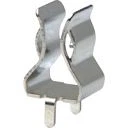
Fuse clips are essential components in electrical systems, serving as the interface between fuses and the circuit board or other electrical connections. They play a crucial role in ensuring the safe and reliable operation of electrical equipment by securely holding fuses in place and facilitating the flow of electrical current. However, like any electrical component, fuse clips can fail over time, leading to potential safety hazards and system malfunctions. As a fuse clips supplier, I have encountered various reasons for fuse clip failures in my experience. In this blog post, I will explore the common causes of fuse clip failures and provide insights on how to prevent them.
Overheating
One of the primary causes of fuse clip failure is overheating. When a fuse clip is subjected to excessive current flow, it can generate heat due to the resistance of the metal contacts. Over time, this heat can cause the metal to expand, warp, or even melt, leading to a loss of contact between the fuse and the clip. This can result in an open circuit, causing the fuse to blow and interrupting the flow of electricity.
Overheating can be caused by several factors, including:
- Excessive current draw: If the electrical load connected to the circuit exceeds the rated capacity of the fuse, it can cause the fuse to overheat and eventually fail. This can happen if the circuit is overloaded with too many devices or if there is a short circuit in the system.
- Poor electrical connections: Loose or corroded connections between the fuse clip and the circuit board or other electrical components can increase the resistance of the circuit, leading to overheating. This can be caused by improper installation, vibration, or environmental factors such as moisture or dust.
- Inadequate ventilation: If the fuse clip is installed in an enclosed space without proper ventilation, the heat generated by the electrical current cannot dissipate effectively, causing the temperature to rise and potentially leading to failure.
To prevent overheating, it is important to ensure that the fuse is properly sized for the electrical load and that the circuit is not overloaded. Additionally, it is essential to check the electrical connections regularly to ensure they are tight and free of corrosion. Providing adequate ventilation around the fuse clip can also help to dissipate heat and prevent overheating.
Corrosion
Corrosion is another common cause of fuse clip failure. When the metal contacts of the fuse clip are exposed to moisture, oxygen, or other corrosive substances, they can react with these elements and form a layer of corrosion. This corrosion can increase the resistance of the circuit, leading to overheating and potential failure.
Corrosion can be caused by several factors, including:

- Environmental factors: Exposure to moisture, humidity, saltwater, or other corrosive substances can accelerate the corrosion process. This can happen in outdoor environments, industrial settings, or areas with high levels of pollution.
- Improper storage: If the fuse clips are stored in a damp or humid environment, they can be more susceptible to corrosion. It is important to store fuse clips in a dry, clean place to prevent corrosion.
- Chemical exposure: Contact with certain chemicals, such as acids or solvents, can also cause corrosion of the metal contacts. This can happen if the fuse clips are used in a chemical processing plant or other industrial environment where they are exposed to these substances.
To prevent corrosion, it is important to choose fuse clips made from corrosion-resistant materials, such as stainless steel or plated copper. Additionally, it is essential to protect the fuse clips from exposure to moisture and other corrosive substances by using appropriate sealing materials or enclosures. Regular cleaning and maintenance of the fuse clips can also help to remove any corrosion and prevent further damage.
Mechanical Stress
Mechanical stress can also cause fuse clip failure. When the fuse clip is subjected to excessive force or vibration, it can cause the metal contacts to bend, break, or become misaligned. This can result in a loss of contact between the fuse and the clip, leading to an open circuit and potential failure.
Mechanical stress can be caused by several factors, including:
- Improper installation: If the fuse clip is not installed correctly, it can be subjected to excessive force or stress during installation or operation. This can happen if the clip is forced into place or if it is not properly aligned with the fuse.
- Vibration: Vibration from nearby machinery or equipment can cause the fuse clip to move or shake, leading to mechanical stress and potential failure. This can be a common problem in industrial settings or vehicles.
- Physical damage: Accidental impact or damage to the fuse clip can also cause mechanical stress and potential failure. This can happen if the clip is dropped or if it is hit by a tool or other object.
To prevent mechanical stress, it is important to ensure that the fuse clip is installed correctly and that it is properly aligned with the fuse. Additionally, it is essential to protect the fuse clip from vibration and physical damage by using appropriate mounting techniques and enclosures. Regular inspections of the fuse clip can also help to detect any signs of mechanical stress and prevent potential failure.
Material Defects
In some cases, fuse clip failure can be caused by material defects. If the fuse clip is made from low-quality materials or if there are manufacturing defects in the production process, it can lead to premature failure.
Material defects can include:
- Poor quality metal: If the metal used to make the fuse clip is of poor quality, it may not have the necessary strength or conductivity to withstand the electrical current and mechanical stress. This can result in the clip breaking or overheating.
- Manufacturing defects: Errors in the manufacturing process, such as improper stamping or plating, can also cause material defects in the fuse clip. These defects can affect the performance and reliability of the clip and increase the risk of failure.
To prevent material defects, it is important to choose fuse clips from a reputable supplier who uses high-quality materials and has strict quality control measures in place. Additionally, it is essential to inspect the fuse clips carefully before installation to ensure that they are free of any visible defects.
Conclusion
Fuse clip failure can be caused by a variety of factors, including overheating, corrosion, mechanical stress, and material defects. As a fuse clips supplier, I understand the importance of providing high-quality products that are reliable and durable. By understanding the common causes of fuse clip failure and taking appropriate preventive measures, you can ensure the safe and reliable operation of your electrical systems.
If you are in the market for fuse clips, I invite you to explore our range of products, including Fuse Clips 5.2x20mm and Fuse Clips 6.35x32mm. Our fuse clips are made from high-quality materials and are designed to meet the highest standards of performance and reliability. We also offer a wide range of customization options to meet your specific requirements.
If you have any questions or would like to discuss your fuse clip needs, please feel free to contact us. Our team of experts is always available to provide you with the information and support you need to make the right choice for your electrical systems.
References
- "Electrical Fuse Basics," Electrical Safety Foundation International, accessed [date].
- "Fuse Selection Guide," Littelfuse, accessed [date].
- "Corrosion Prevention and Control in Electrical Systems," National Association of Corrosion Engineers, accessed [date].