

The dielectric strength of a fuse clip is a critical parameter that directly impacts its performance and safety in electrical circuits. As a leading supplier of fuse clips, we understand the significance of this characteristic and its implications for various applications. In this blog, we will delve into what dielectric strength is, why it matters for fuse clips, and how it relates to the products we offer.
Understanding Dielectric Strength
Dielectric strength refers to the maximum electric field that a dielectric material can withstand without experiencing electrical breakdown. In simpler terms, it is the measure of a material's ability to insulate against the flow of electric current under high - voltage conditions. When a voltage is applied across a dielectric, it creates an electric field. As the voltage increases, the electric field becomes stronger. If the electric field exceeds the dielectric strength of the material, the material loses its insulating properties, and a breakdown occurs. This breakdown can lead to arcing, short - circuits, and potentially damage to the electrical equipment.
For fuse clips, the dielectric strength is crucial because they are used in electrical circuits to hold fuses. These circuits can carry various levels of voltage, and the fuse clips need to maintain their insulating properties to prevent unwanted current flow between different parts of the circuit. A fuse clip with insufficient dielectric strength may break down under high - voltage conditions, leading to safety hazards and malfunction of the electrical system.
Factors Affecting the Dielectric Strength of Fuse Clips
Several factors can influence the dielectric strength of fuse clips. The material used in the construction of the fuse clip is one of the most significant factors. Different materials have different inherent dielectric strengths. For example, plastics such as polycarbonate and nylon are commonly used in fuse clip manufacturing due to their relatively high dielectric strength. These materials can withstand a certain amount of voltage before breaking down, providing reliable insulation in electrical circuits.
The design and geometry of the fuse clip also play a role in its dielectric strength. A well - designed fuse clip will have proper spacing between conductive parts to minimize the electric field intensity. If the conductive parts are too close together, the electric field between them can be stronger, increasing the risk of breakdown. Additionally, the surface finish of the fuse clip can affect its dielectric strength. Rough surfaces may have microscopic irregularities that can concentrate the electric field, making the material more susceptible to breakdown.
Environmental conditions can also impact the dielectric strength of fuse clips. High humidity, for example, can reduce the dielectric strength of the insulating material. Moisture can absorb onto the surface of the material, creating conductive paths and lowering the breakdown voltage. Temperature can also have an effect. Extreme temperatures, either high or low, can cause the material to expand or contract, potentially altering its dielectric properties.
Dielectric Strength Requirements for Different Applications
The required dielectric strength of a fuse clip depends on the specific application in which it will be used. In low - voltage applications, such as consumer electronics, the dielectric strength requirements may be relatively low. For example, a circuit operating at 12V or 24V may only require a fuse clip with a dielectric strength of a few hundred volts. However, in high - voltage applications, such as industrial power systems or electrical distribution networks, the dielectric strength requirements can be much higher. These systems may operate at voltages of several kilovolts, and the fuse clips need to have a dielectric strength that can withstand these high voltages without breaking down.
Our Fuse Clip Products and Dielectric Strength
As a supplier of fuse clips, we offer a wide range of products to meet the diverse needs of our customers. Our Fuse Clips 6.35x32mm are designed for applications where a reliable connection and proper insulation are required. These fuse clips are made from high - quality materials with excellent dielectric properties. They are tested to ensure that they meet or exceed the industry standards for dielectric strength, providing our customers with a safe and reliable solution for their electrical circuits.
Similarly, our Fuse Clips 5.2x20mm are suitable for applications with different space and voltage requirements. These fuse clips are engineered to provide optimal dielectric strength, even in challenging environments. We understand that the dielectric strength of our products is not just a technical specification but a crucial factor in ensuring the safety and performance of our customers' electrical systems.

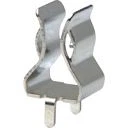
Testing the Dielectric Strength of Fuse Clips
To ensure the quality and reliability of our fuse clips, we conduct rigorous dielectric strength testing. Our testing procedures follow international standards and best practices. During the test, a high - voltage is applied to the fuse clip for a specified period of time. The voltage is gradually increased until the breakdown voltage is reached. This test helps us to determine the actual dielectric strength of the fuse clip and identify any potential weaknesses in the design or material.
We also perform regular quality control checks on our production lines to ensure that every fuse clip meets our strict dielectric strength requirements. By investing in advanced testing equipment and a skilled quality control team, we can guarantee that our customers receive fuse clips that are safe and reliable.
Importance of Choosing the Right Fuse Clip Based on Dielectric Strength
Choosing the right fuse clip based on its dielectric strength is essential for the proper functioning and safety of an electrical circuit. Using a fuse clip with insufficient dielectric strength can lead to electrical breakdown, which can cause short - circuits, damage to equipment, and even pose a fire hazard. On the other hand, using a fuse clip with an overly high dielectric strength may not be cost - effective, as it may be more expensive than necessary for the application.
When selecting a fuse clip, it is important to consider the voltage rating of the circuit in which it will be used. Make sure to choose a fuse clip with a dielectric strength that is higher than the maximum voltage that the circuit is expected to carry. This will provide a safety margin and ensure that the fuse clip can withstand any voltage spikes or transient conditions.
Conclusion
The dielectric strength of a fuse clip is a vital characteristic that determines its performance and safety in electrical circuits. As a supplier of fuse clips, we are committed to providing our customers with products that have excellent dielectric strength. Our Fuse Clips 6.35x32mm and Fuse Clips 5.2x20mm are designed and tested to meet the highest standards of dielectric strength, ensuring reliable operation in a wide range of applications.
If you are in the market for high - quality fuse clips, we invite you to contact us for more information and to discuss your specific requirements. Our team of experts is ready to assist you in choosing the right fuse clip for your application and to provide you with the best possible service.
References
- Grob, Bernard. "Introduction to Electronics." McGraw - Hill, 2007.
- Dorf, Richard C., and James A. Svoboda. "Introduction to Electric Circuits." Wiley, 2014.
- International Electrotechnical Commission (IEC) standards related to electrical insulation and testing.