


A controller that draws a brief startup pulse needs protection selected for the actual circuit and documented operating conditions. A fast-acting fuse may be suitable when the authorized design requires that behavior and the relevant pulse is within its supported operating conditions. A time-delay fuse may be a candidate when the design calls for tolerating a short inrush. The correct choice depends on the approved protection requirement, exact fuse data, conditions and verification by qualified personnel.
For fast-acting vs time-delay fuse selection, give the component supplier and circuit owner the expected load, startup signature, equipment and applicable requirements. XC Electronics lists ceramic fuses and holders, including several physical formats. A listing identifies candidates for evaluation. It does not establish that a particular fuse is suitable for every controller, voltage type or available fault condition.
Send the actual startup evidenceUse the exact fuse document and the circuit owner's authorized requirements.

XC Electronics ceramic fuse range · XC Electronics XC-1 fuse holder
1Start with what must be protected
Ask the circuit owner for the approved requirements and the point where the fuse is intended to operate. Identify expected normal load, relevant startup or transition conditions and applicable protection or coordination requirements. Keep the actual application and the evidence used to assess it in the specification. An apparently similar controller may have a different power supply, operating sequence or fault condition.
Physical format is one item in the review. The design team should verify current and voltage ratings, relevant AC or DC conditions, breaking capacity, time-current characteristics and environmental or installation constraints. Verify holder compatibility for the exact combination. Requirements that depend on applicable standards, end equipment or certification need the accountable design owner's attention and documented acceptance.
Give the qualified reviewer the information needed to investigate previous behavior. For example, record whether the issue appeared at startup, after a service change or in another approved operating condition. The event record can help define what needs verification. One instance of a fuse opening does not establish its cause or authorize changes. Use the organization's appropriate procedure and approved protection design.
2Describe the pulse as evidence the supplier can review
| Engineering question | Evidence to ask for | Reason to preserve it |
|---|---|---|
| Normal operation | Expected conditions and approved load information | Sets the context for comparisons |
| Startup behavior | Authorized measurement record with conditions and relevant waveform information | Shows the expected pulse scope rather than a single guessed number |
| Proposed fuse | Exact part, document revision and time-current or other relevant data | Connects the evaluation to orderable material |
| Fault protection | Design requirements and applicable ratings verified by authorized owner | Keeps required circuit protection in the comparison |
| Installation | Exact holder, environment and use configuration | Reveals assumptions tied to the actual assembly |
Have a qualified person review how the pulse evidence was acquired and how it relates to approved limits. A very short event and a recurring pattern may need different assessments under manufacturer guidance. Include conditions that matter for the exact product, such as repeat operation or temperature when applicable. No calculation or single curve point should be used to authorize a protective device for an undefined circuit.
Keep engineering interpretation with the curve
Ask for manufacturer data and its applicable conditions. A time-current characteristic describes defined behavior under particular conditions; it is not a generic promise about every startup waveform. Ask whether the manufacturer specifies particular pulse information, limitations or test inputs for the offered series. Record the evaluation method and what the responsible team must still verify.
When the actual waveforms or drawings are sensitive, use the approved channel and share only what is authorized. The sales inquiry can list relevant requirements without exposing unrelated designs. If important evidence is missing, mark which conditions remain unverified. The seller should identify the relevant product data and qualified review should govern the application.
3Compare quotes without turning a shortlist into permission to change
Ask vendors for exact part numbers, technical documents, ratings and evidence that their offers concern the specified format and operation. Identical current marks and sizes can describe items with different characteristics. A buyer must ensure the approved part and configuration are defined before issuing the order. Alternative items should appear separately with the review status.
In an illustrative controller project, the engineer sees a recorded startup event and wants to compare the current approved fuse with another proposed type. The buyer asks for both exact component documents and whether the evaluated holder applies. The comparison may identify a candidate for further testing, or evidence that the original list of requirements was incomplete. Nobody should substitute a candidate into equipment based on the quote alone.
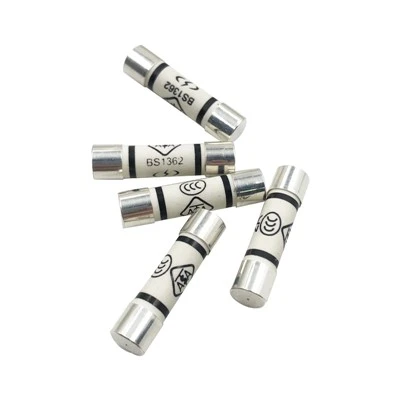
Where an authorized test is needed, the qualified team decides the setup, acceptable evidence and handling of observations. Preserve identifiers for the controller, installed configuration, protective device and relevant conditions. Record what has been approved and what a possible future change would need to repeat. Keep the shopper-facing product name separate from the precise label and documentation that the maintenance team must use.
4Make the accepted fuse easy to order and receive
Put the approved exact part and relevant document reference in the order. Ask the supplier how it will be identified on the package and correspondence. Give receiving the key fields it can check without making design judgments from the carton. Put any exception in the quality review route. A supplier's note that a different fuse looks similar should not become an approved substitution in the stockroom.
For repeat buying, maintain the place where the current protection design and spares records are accessible. If a controller revision changes the supply or load path, review whether the original evidence still covers it. Identify the owner who can authorize any updated status and communicate it to receiving and the field team. If a reported event occurred outside the accepted scope, add that fact to the engineering review.
At installation or service, follow the manufacturer's instructions, site rules and qualified process. Never bypass required protection or change the approved fuse rating to overcome repeated operation. A sound commercial file tells the site what part was approved and shows where the design decision can be checked. Actions on an actual energized or protected circuit are for qualified people operating under the appropriate procedures.
5Separate the first-unit result from the repeat-start requirement
A service technician may report that one unit operated after a normal start. The design owner may need separate evidence for the relevant approved use conditions or repeated events. Ask which behavior is part of the requirement and where it is defined. A buyer should receive a clear description of the evidence needed for the proposed part number, together with guidance from the manufacturer where applicable. The qualified team determines how that evaluation is carried out.

Include a revised controller identification in the inquiry
The circuit and protective device may sit in a family of equipment with several supply or configuration options. Give the seller and technical team the correct revision and the specific installation information they are allowed to review. State whether the quote is for an existing approved spare or a candidate that still needs authorization. Those two requests can use some of the same paperwork but involve very different release decisions. Receiving should be able to tell which applies when the goods arrive.
On some projects, the quickest way to clear a question is to ask the original equipment manufacturer for its approved replacement record. When a change is proposed through the factory or another qualified authority, preserve the original and revised records. Ask which part numbers, production dates and equipment identifiers are affected. Use that evidence to update the buying and maintenance instructions together. Keep old records in a controlled archive so the team can support equipment that has not changed.
For an illustrative project, the warehouse has two ceramic fuses with similar packaging. One is the exact approved item for the existing controller. The other is being reviewed for the new design. The kit and label can identify their separate status while engineering continues its work. If the labels cannot distinguish the products, have the responsible staff investigate and follow the appropriate segregation process. Avoid relying on the color of a package or the memory of the person who last filled the spares drawer.
Discuss which manufacturer information should accompany the repeat order. Include the current technical sheet, actual order code and any approved conditions for the offer. Where a proposed change affects the accepted holder or equipment, ask the accountable owner to assign the next review. Once the approved choice is documented, place the exact part and current release into the purchasing record without treating all items in the same ceramic fuse category as interchangeable.
Questions for the protection review
Does a time-delay fuse solve every startup problem?
The qualified reviewer must evaluate the expected event and protection requirements using data for the exact device. The correct schedule and protective characteristics depend on the approved circuit and applicable conditions.
Does the same current rating make two fuses equivalent?
The review also needs voltage, breaking capacity, time-current behavior, fit and relevant requirements. Use the exact approved component and review any alternative formally.
Can I choose with a single startup current value?
Ask the circuit owner and manufacturer which waveform and conditions are required. A single number can leave duration, repetition and relevant operating conditions unknown.
Does ceramic construction indicate a specific response speed?
Identify the exact component and its time-current characteristics from the applicable documentation. The body material does not provide that decision on its own.
What if a fuse repeatedly opens during normal operation?
Report the exact part and event to the responsible qualified personnel for investigation under approved procedures. Keep the observations and any previous changes traceable.
What should a quotation include?
Request the exact part, model documentation, rating and applicable characteristic information, plus compatible holder references if needed. Ask for identification and availability of the actual offered item.
Request exact series documentation for qualified review
Send XC Electronics the approved component requirements, controller application, holder reference if applicable and documentation needs. Ask which product information the engineering team can use for comparison.